You can eat a clean diet, take high-quality supplements, and still come up short if your body is not actually absorbing what you give it. That is the part many people miss when they ask how to improve nutrient absorption. The issue is not always what is on your plate. Very often, it is what is happening in your digestion, your stress response, your gut lining, your stomach acid, and your daily habits.
This is where a more individualized wellness approach matters. In clinical practice, I have seen people spend years chasing energy, immunity, hormone balance, and recovery while overlooking the simple fact that nutrients have to be broken down, transported, and used properly. If that process is compromised, even a strong nutrition plan can underperform.
How to Improve Nutrient Absorption Starts With Digestion
Absorption begins before food ever reaches the intestines. It starts with appetite, chewing, saliva, stomach acid, digestive enzymes, bile flow, and the signaling that tells the body food is coming. If you eat too fast, eat under stress, or have weak digestive function, you may not break food down efficiently enough to access the nutrients inside it.
Chewing matters more than most people think. When food is rushed down in large pieces, the stomach and intestines have to work harder. That often shows up as bloating, heaviness after meals, reflux, or that tired feeling many people get after eating. Slowing down and chewing thoroughly is not a wellness trend. It is basic physiology.
Stomach acid is another major factor. Low stomach acid can interfere with the digestion of protein and the absorption of minerals like iron, calcium, magnesium, and zinc. It can also affect vitamin B12 status. Many adults, especially those under chronic stress or taking acid-suppressing medications, are not digesting as effectively as they think. More is not always better here, and this is not a place for guesswork, but it is absolutely a place for evaluation.
Why Gut Health Changes Everything
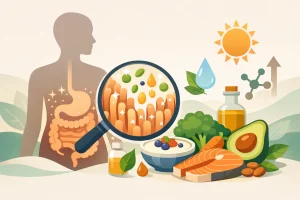
If you want a real answer to how to improve nutrient absorption, you have to look at the gut lining. The small intestine is where much of nutrient absorption happens. When that lining is irritated, inflamed, or compromised, the body may struggle to pull in what it needs, even from an otherwise healthy diet.
This can happen for several reasons. Food sensitivities, chronic stress, alcohol overuse, infections, inflammatory patterns, poor microbial balance, and long-term digestive dysfunction can all interfere with the gut environment. Some people notice obvious symptoms like gas, constipation, loose stools, or abdominal pain. Others do not. They simply feel run down, foggy, or nutritionally depleted.
The microbiome also plays a role. Beneficial gut bacteria help with the metabolism of certain nutrients and support a healthier intestinal environment. When that balance is off, digestion and absorption can suffer. This is one reason why generalized supplement routines do not always produce the expected results. If the gut terrain is off, the body may not respond the way you want it to.
Food Combining and Timing Can Help
Some nutrient pairings improve absorption, while others work against it. This is not about making food overly complicated. It is about being strategic.
Fat-soluble vitamins A, D, E, and K absorb better when eaten with healthy fats. A dry salad with no fat source is not ideal if you are trying to maximize those nutrients. Add olive oil, avocado, nuts, seeds, or another quality fat source, and the meal becomes more useful to the body.
Iron is another classic example. Plant-based iron is absorbed better when paired with vitamin C. That means spinach with citrus, beans with peppers, or a meal that includes berries, tomatoes, or lemon can make a difference. On the other hand, coffee and tea consumed too close to iron-rich meals may reduce iron absorption in some people.
Calcium, magnesium, and zinc can also compete under certain circumstances, especially in supplement form and at higher doses. That does not mean they are bad. It means timing may matter. This is where personalization becomes important, because what works for one person may not be ideal for another depending on labs, symptoms, medications, age, and health goals.
Stress Is a Major Absorption Problem
People want to talk about superfoods and advanced protocols, but many of them are eating in a fight-or-flight state three times a day. That matters. When the nervous system is locked into stress mode, blood flow and signaling shift away from digestion. The body is not prioritizing optimal breakdown and absorption of nutrients when it thinks it needs to survive a threat.
You do not need a perfect life to improve this. You do need a practical shift before meals. Sitting down, putting the phone away, taking a few slow breaths, and eating without multitasking can support digestive function more than people realize. This sounds simple because it is simple. It is also effective.
Chronic stress can also influence stomach acid, gut motility, inflammation, blood sugar patterns, and microbial balance. That is why unresolved stress often shows up in physical symptoms. Mind, body, and spirit are not separate silos. In naturopathic care, they are connected realities.
Supplements Are Not Always the Answer
Many people assume the solution to poor nutrient status is just taking more supplements. Sometimes supplementation is necessary and very helpful. Sometimes it is exactly the right move. But if you are not absorbing well, increasing the dose may only partly solve the problem.
The form of a nutrient matters. The timing matters. What you take it with matters. Your digestive function matters. Your medications matter. Your lab values matter. There is a big difference between a generic supplement plan and a targeted protocol built around the individual.
For example, some people do better with nutrients in liquid, powdered, liposomal, or methylated forms. Others need digestive support before they need higher nutrient intake. Some need gut repair and inflammation support. Some need a food-first plan because supplements are irritating their system. This is why broad internet advice often falls flat. It skips the person.
Hidden Reasons You May Not Be Absorbing Nutrients Well
If you are eating reasonably well and still not seeing results, it may be time to look deeper. Low energy, brittle nails, poor recovery, hair thinning, mood changes, frequent illness, and stubborn fatigue can all raise questions about nutrient status and absorption.
Sometimes the issue is medication-related. Sometimes it is age-related. Sometimes it is tied to gallbladder function, stomach acid, gut inflammation, blood sugar instability, or a diet that looks healthy on paper but lacks enough protein, minerals, or fat. In other cases, restrictive eating patterns are the problem. Clean eating becomes under-eating, and the body starts running on fumes.
This is where labs, history, symptoms, and a real wellness evaluation matter. Guessing is common. Precision is better. At 21st Century Total Wellness, that individualized lens is central because no two people break down food, use nutrients, or respond to supplements in exactly the same way.
How to Improve Nutrient Absorption in Daily Life
Start by making meals easier for your body to handle. Eat in a calmer state. Chew thoroughly. Include enough protein and healthy fats. Support hydration, but do not wash meals down mindlessly with large amounts of fluid if that leaves you feeling bloated or sluggish.
Pay attention to symptoms after eating. Bloating, belching, reflux, heaviness, irregular bowel patterns, and fatigue after meals are not random. They are clues. Your body is giving feedback, and that feedback should shape the next step.
Be strategic with food pairings. Use vitamin C with plant-based iron sources. Include fat with fat-soluble vitamins. Be mindful about coffee or tea timing if iron status is a concern. If you use supplements, choose them with purpose rather than stacking product after product without a clear reason.
Most important, stop treating absorption as a side issue. If nutrients are not getting into the system and being used properly, progress slows down in every area – energy, immunity, detoxification, hormones, cognition, muscle function, and long-term vitality.
The body was designed to heal, but it heals more effectively when the foundations are in place. Better absorption is not about gimmicks. It is about respecting how the body actually works and giving it the support it needs, based on your real physiology, not somebody else’s protocol. That is where meaningful change begins.
Leave a Reply