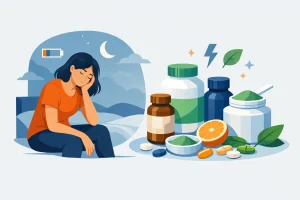
Low energy is rarely just a caffeine problem. When people start searching for the best supplements for low energy, they are usually dealing with something deeper – poor sleep, blood sugar swings, nutrient depletion, stress overload, hormone shifts, thyroid imbalance, low iron, chronic inflammation, or simply a body that has been running on empty for too long.
That is why smart supplement guidance should never start with guesswork. In practice, the right supplement can make a meaningful difference. The wrong one can waste time, mask the real issue, or make you feel more wired and depleted. If your energy has been off for weeks or months, the goal is not to throw products at the problem. The goal is to understand why your system is struggling and support it in a way that fits your body.
How to choose the best supplements for low energy
Energy is not one single system. It depends on mitochondrial function, adrenal balance, thyroid signaling, blood sugar regulation, oxygen delivery, digestion, sleep quality, hydration, and mental resilience. That means the best supplements for low energy are not the same for every person.
A 35-year-old under chronic stress may need different support than a postmenopausal woman with low iron, or a man dealing with low B12, poor sleep, and insulin resistance. Age, gender, diet, medications, genetics, and lab values all matter. This is where personalized naturopathic care has real value. It brings strategy back into the process.
Before using supplements aggressively, it is worth looking at basics. Are you eating enough protein? Are you sleeping deeply? Are you crashing in the afternoon after a high-carb lunch? Are you dealing with heavy periods, digestive issues, or chronic stress? A supplement can support recovery, but it works best when it is part of a bigger plan.
The 8 best supplements for low energy
1. B-complex vitamins
B vitamins are foundational for energy production. They help convert food into usable fuel and support the nervous system, brain function, and red blood cell health. When someone is run down, mentally foggy, or burning through stress, B vitamins often come into the conversation quickly.
The catch is that not every B-complex is created equally. Some formulas use lower-quality forms that do not work as well for certain people. Others are loaded with doses that can make a sensitive person feel jittery. If someone has methylation issues or reacts strongly to supplements, the form and dosage matter.
B12 and folate deserve extra attention, especially for vegetarians, older adults, people on acid blockers, and those with digestive concerns. Low B12 can show up as fatigue, weakness, poor focus, and even mood changes.
2. Magnesium
If your body feels tired but your mind will not slow down, magnesium may be one of the most useful places to start. It plays a role in muscle relaxation, stress response, sleep quality, blood sugar balance, and cellular energy production.
Many adults are low in magnesium, especially under chronic stress. You may not notice dramatic results overnight, but better recovery, fewer muscle tightness issues, and deeper sleep can lead to better daytime energy. That matters.
Different forms have different uses. Magnesium glycinate is often well tolerated and calming. Magnesium citrate can help with constipation but may be too loosening for some. Again, the details matter more than the marketing.
3. Iron
Iron is one of the most overlooked causes of low energy, especially in women with heavy cycles, endurance athletes, and people with restricted diets or digestive problems. If iron is low, oxygen delivery suffers. That can leave you exhausted, short of breath, weak, and mentally drained.
This is not a supplement to take blindly. Too little iron is a problem. Too much is also a problem. Ferritin, serum iron, saturation, and a complete blood count can give a much clearer picture. When iron is truly needed, the right form and dose can be a game changer. When it is not needed, taking it anyway can create digestive stress and other complications.
4. CoQ10
CoQ10 is a strong option for people who feel physically depleted, especially if they are older, dealing with cardiovascular concerns, or taking statin medications. It supports mitochondrial function, which means it helps the body generate energy at the cellular level.
This is one of those supplements that tends to make sense when fatigue is tied to wear and tear, aging, medication depletion, or reduced stamina rather than acute stress alone. Some people notice better endurance and less afternoon drop-off. Others need broader support before CoQ10 really shines.
Absorption matters here. Ubiquinol is often preferred for some adults, particularly as they age, though it depends on the person and the formula.
5. Adaptogenic herbs
Adaptogens like ashwagandha, rhodiola, eleuthero, and holy basil are often discussed for stress-related fatigue. They do not work like stimulants. Ideally, they help the body respond to stress more efficiently so energy becomes steadier over time.
This category can be very helpful, but it is also where people make mistakes. A person with high anxiety may not respond well to an energizing adaptogen. Someone with autoimmune thyroid concerns may need extra caution with certain herbs. Another person may benefit greatly from a more calming adaptogenic approach.
Ashwagandha is often used when stress and poor recovery are central. Rhodiola may fit better when mental fatigue and burnout are more pronounced. The right choice depends on the pattern, not just the symptom.
6. Vitamin D
Low vitamin D is common and can contribute to fatigue, low mood, weaker immune function, and general lack of vitality. It is not the answer to every energy complaint, but if levels are low, correcting that deficiency can make a real difference.
Testing is ideal because vitamin D needs vary widely. One person may need a modest maintenance dose. Another may need a more structured short-term protocol under guidance. Since vitamin D also works closely with other nutrients like magnesium and vitamin K2, it should be approached intelligently, not casually.
7. L-carnitine
L-carnitine helps transport fatty acids into the mitochondria so the body can produce energy more efficiently. It may be especially useful for people with physical fatigue, exercise intolerance, recovery issues, or metabolic sluggishness.
This is not the first supplement everyone needs, but in the right case it can be valuable. People who feel weak, burned out after minimal exertion, or stuck in a pattern of poor stamina may benefit from a targeted trial. It often works better as part of a comprehensive energy plan rather than as a stand-alone fix.
8. Protein and amino acid support
Technically, protein is not a supplement category people think of first when they search for energy help, but it should be. A surprising number of people are under-eating protein and then wondering why they are tired, moody, and reaching for sugar by mid-afternoon.
Protein powders or amino acid support can be useful when meals are inconsistent, appetite is low, or recovery needs are higher. Stable blood sugar often creates more reliable energy than any trendy capsule. If breakfast is just coffee and lunch is an afterthought, that pattern has to be addressed.
When the best supplement is lab work, not another bottle
If your fatigue is significant, recurring, or paired with symptoms like hair loss, dizziness, brain fog, poor sleep, weight change, shortness of breath, palpitations, anxiety, or low mood, the answer may not be sitting on a store shelf. This is where proper evaluation matters.
Thyroid markers, iron studies, B12, vitamin D, blood sugar markers, cortisol patterns, inflammatory markers, hormone patterns, and digestive function can all influence energy. I have seen people spend months trying random products when the real issue was hidden in plain sight. Low energy should be respected. It is a message from the body, not just an inconvenience.
Personalized wellness work matters here because fatigue is not generic. It can be physical, mental, emotional, hormonal, nutritional, or all of the above at once. A one-size-fits-all supplement stack is rarely the smartest move.
Common mistakes people make with low energy supplements
The biggest mistake is chasing stimulation instead of building energy. Many products are designed to make you feel a quick boost, but they do not create better health. They just push a tired system harder.
Another mistake is taking too many things at once. If you start five supplements together, you will not know what helped, what did nothing, or what caused a reaction. More is not always better. Better is better.
Timing also matters. Some supplements are best in the morning. Others help more later in the day. Some should be taken with food. Some interact with medications. This is why real guidance saves people time.
A better way to restore energy
The best supplements for low energy are the ones that fit your biology, your labs, your stress load, your diet, and your stage of life. That answer may include magnesium and B vitamins. It may include iron, adaptogens, CoQ10, or protein support. It may also include improving sleep, stabilizing blood sugar, addressing hormones, or getting honest about burnout.
At 21st Century Total Wellness, this is how energy should be addressed – personally, strategically, and with the full person in view. When the body is supported at the root level, energy often returns with more stability and far less guesswork.
If you have been tired for too long, do not settle for another generic recommendation. A better answer starts when you stop asking what works for everyone and start asking what your body has been trying to tell you.
Leave a Reply